Using the Canon XL H1 professional studio HDV camcorder with a microscope

High-end intermediate optics for connecting Canon HDV camcorders and microscopes

The LM digital HDV adapter makes it possible, for the first time, to mount professional HD camcorders on a microscope. One particular highlight of the Canon XL H1 is an actual HD-SDI output, with which the uncompressed, high-resolution video signal is put out. Furthermore, there is an input and output for the time code and a genlock for synchronization. The Canon XL H1 can capture images in either 50i or 25f frame rates. Three 1/3 inch CCDs, each with 1.67 megapixels, guarantee an excellent video quality. The data is recorded on a mini DV tape. Fixed images can be saved to an SD/MM card with a resolution of 1920 x 1080 pixels.


Features of the Canon XL H1


For use on a microscope, the interchangeable lens is removed.


The great advantage of the Canon XL H1 professional studio HDV camera with interchangeable optics over consumer camcorders is the ability to use a bayonet to remove the lens. Removing the camcorder lenses when using the LM digital HDV adapter results in a matchless, high-contrast and brilliant image. Furthermore, the magnification factor is always identical, which is not possible with fixed zoom lenses. This is a decisive advantage when using measurement programs.


C-mount version #PROHDV

LM digital HDV adapters can be supplied for all microscopes with a C-mount connection. They are also available for standard tubes with an internal diameter of 23.2mm, for stereo microscopes and widefield microscopes with an internal diameter of 30mm, as well as phototubes with internal diameters of 38mm or 37mm (ISO port).


Assembly:
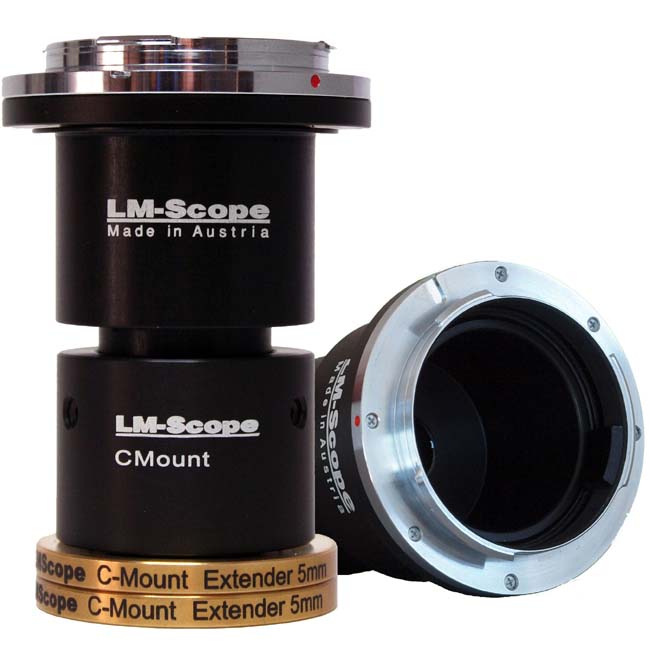
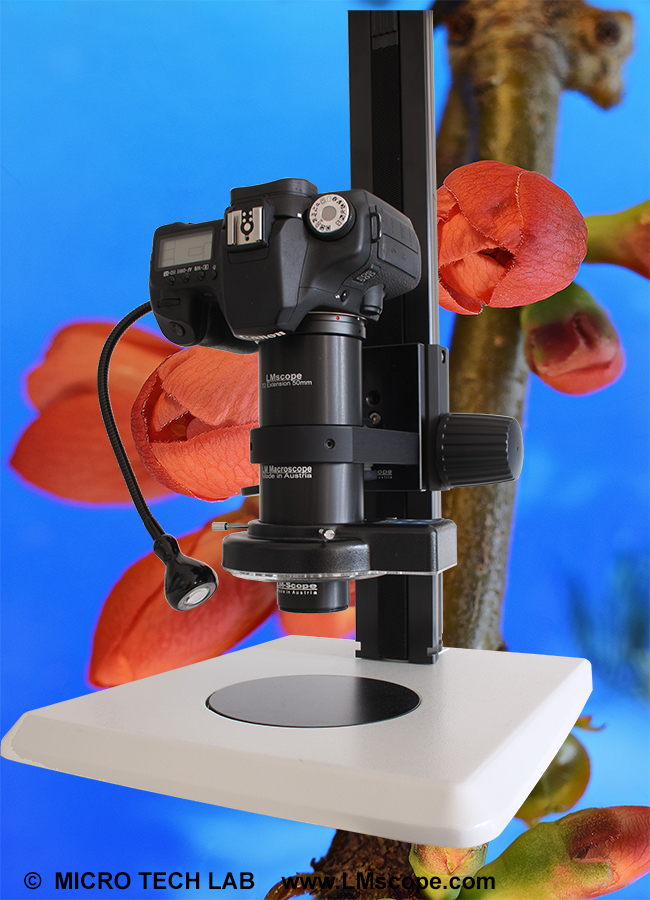
First, the LM digital HDV adapter is screwed onto the microscope’s C-mount connection. The camcorder is then attached to the LM digital HDV adapter, using a bayonet. The camcorder and microscope now form one fixed unit and are ready for use.


The following LM digital adapter components are required for different microscope connections:

Canon XL H1 Auswahl-Hilfe C-MOUNT Tubus ID 23,2mm Tubus ID 30mm Tubus ID 37mm Tubus ID 38mm


New LM digital adapter for:
Sony HDR-SR7 / Sony HDR-SR8 / Sony HDR-CX6 / Sony HDR-HC5 / Sony HDR-HC7 / Sony HDR-SR5 / Sony HDR-HC1E / Sony HDR-SR1 / Sony HDR-HC3 / Canon HR10 / Sony HDR-UX7 / Sony HDR-UX3 / Canon XL H1 / Sony HDR-UX1 / JVC GZ-MG47 / Panasonic NV-GS150 / Panasonic SDR-S150 / Panasonic SDR-S100 / Sony DCR TRV 145 / JVC GZ-MC200 / Sony DCR PC 101 / Sony DCR-HC94 / Sony CCD TRV 98 / Sony DCR PC 103 / Sony CCD TRV 101 / Panasonic NV-GS180 / Sony DCR TRV 238 / Sony DCR-HC39 / Sony DCR PC 100 / Panasonic NV-GS75 / JVC GR-DX97 / Sony DCR-DVD101 / Sony DCR-DVD105 / JVC GZ-MC100 / JVC GZ-MG77 / Sony CCD TRV 30 / Sony DCR-DVD201 / Sony DCR-DVD202 / Sony DCR-HC85 / Sony DCR-DVD203 / Sony DCR TRV 235 / Sony DCR-HC96 / Sony CCD TRV 208 / Sony DCR TRV 218 / Sony DCR TRV 80 / Sony DCR-HC30 / Sony DCR-HC35 / Sony DCR PC 105 / JVC Everio GZ-MG77 / Sony DCR TRV 230 / Sony DCR-DVD203 /


Which digital camera functions best on a microscope?


High-end intermediate optics for the connection of digital camera and microscope


Turn your digital reflex camera into a microscope
Digital SLR cameras can now be converted into a microscope simply by screwing the LM DSLR macro lens  onto the existing lens.
LM DSLR macro lens 40mm / 80mm 


Tips and tricks for Digicams / Camcorders
Demo pictures taken with Digital Cameras and Camcorders


© 1999-2008 MICRO TECH LAB. All rights reserved

How to order
Contact
Home
 Newsletter